
Best Glossy Paper For Brochures
Best Glossy Paper For Brochures - The best way to find your ideal photo paper? Glossy paper is a type of coated paper known for its shiny finish. Glossy paper is excellent when you want colors to be more noticeable, so it’s often used for travel, food, and car brochures. Discover the art of choosing the perfect paper for brochure printing! Choosing the right paper for printing can make all the difference in how your final product looks and feels. However, glossy paper is more prone to fingerprints, smudges, and scratches. Brochures and catalogs are packed with images and designed to showcase products or services. Use uncoated paper so it’s easy to write on. Glossy paper is a superb choice if your brochure has illustrations and photos. Reflective and vibrant, great for brochures with colorful images. Whether you opt for glossy, matte, or uncoated paper, ensure it aligns with your. Whatever your business — and no matter what the core purpose or target market for your business brochure may be — choosing the best paper to print brochures on is an important decision. 80# gloss text is your choice for brochures that need the professional look of a glossy finish, need more than 2 folds, and that should be lightweight but still strong enough to hold their shape. The best way to find your ideal photo paper? Common finishes include glossy, matte, and satin, each offering a distinct look and feel. Matte paper is associated with a warm, soft, glowing effect. Brochures and catalogs are packed with images and designed to showcase products or services. When considering matte and glossy printing, one must consider the use cases and their environment. Choosing the right paper for printing can make all the difference in how your final product looks and feels. Matte coated paper is a good option if you have more text or a good mix of text and images. A product on coated paper (whether it's matte or glossy) will end up looking more expensive. Whether you’re printing business cards, flyers, brochures, or invitations, selecting the right paper ensures better print quality, durability, and professional appeal. Glossy paper is coated and has a shiny finish. Learn which paper weight to choose and whether a gloss, matte or uncoated paper. We’re here to make the process easy (maybe even the easiest part of planning the whole event). It is particularly effective for printing images and photos as it makes colors pop and provides a vibrant finish. Posters and photographs can be printed on paper which is only coated on one side. Print the same image on different types of paper. Matte paper is associated with a warm, soft, glowing effect. This is an economical and very common choice for brochures. The art of testing and experimentation. Use uncoated paper so it’s easy to write on. Before selecting a paper type, consider the purpose of your print. This can be especially effective for designs that do not include full color pictures. However, glossy paper is more prone to fingerprints, smudges, and scratches. For example, what’s the best paper for brochures? The art of testing and experimentation. Should you use a cardstock flyer? When choosing the best brochure paper, several factors come into play, including the desired finish, weight, and design requirements. With matte brochure paper, you won’t have the glare that comes with glossy paper but there’s still enough shine to make your photos look striking. However, glossy paper is more prone to fingerprints, smudges, and scratches. We’re here to make the. Matte coated paper is a good option if you have more text or a good mix of text and images. This type of paper is excellent for brochures template that feature a lot of images and bright colors. Whether you’re printing business cards, flyers, brochures, or invitations, selecting the right paper ensures better print quality, durability, and professional appeal. It. We’re here to make the process easy (maybe even the easiest part of planning the whole event). Choosing the best paper for printing brochures depends on your specific needs, including the brochure's purpose, desired aesthetics, and budget. It is particularly effective for printing images and photos as it makes colors pop and provides a vibrant finish. Whether you’re printing business. The art of testing and experimentation. Coated paper is treated to give it a glossy or matte finish. However, glossy paper is more prone to fingerprints, smudges, and scratches. When considering matte and glossy printing, one must consider the use cases and their environment. Whether you opt for glossy, matte, or uncoated paper, ensure it aligns with your. Learn which paper weight to choose and whether a gloss, matte or uncoated paper is the best choice for you. The art of testing and experimentation. Whatever your business — and no matter what the core purpose or target market for your business brochure may be — choosing the best paper to print brochures on is an important decision. Which. Print the same image on different types of paper and compare the. Dive into our comprehensive guide, exploring paper types, finishes, and weights. With matte brochure paper, you won’t have the glare that comes with glossy paper but there’s still enough shine to make your photos look striking. The thick sheets come in a variety of colors and finishes, so. However, if you plan to have more text in your brochure, the gloss can make it difficult to read because of the glare. Choosing the best paper for printing brochures depends on your specific needs, including the brochure's purpose, desired aesthetics, and budget. Enhances the visual appeal of photographs and graphics. Print the same image on different types of paper and compare the. With matte brochure paper, you won’t have the glare that comes with glossy paper but there’s still enough shine to make your photos look striking. However, glossy paper is more prone to fingerprints, smudges, and scratches. Use uncoated paper so it’s easy to write on. Textured or matte paper adds a dreamy, painterly effect. Should you use a cardstock flyer? A product on coated paper (whether it's matte or glossy) will end up looking more expensive. Dive into our comprehensive guide, exploring paper types, finishes, and weights. Before selecting a paper type, consider the purpose of your print. Glossy or metallic paper makes colors pop and details stand out. The thick sheets come in a variety of colors and finishes, so users can customize the appearance to match their needs. Common finishes include glossy, matte, and satin, each offering a distinct look and feel. Matte paper is associated with a warm, soft, glowing effect.
Uinkit 100 Sheets Inkjet Double Sided Glossy Photo Paper 8.5x11 54lb

Office Depot Professional Brochure And Flyer Paper, Glossy
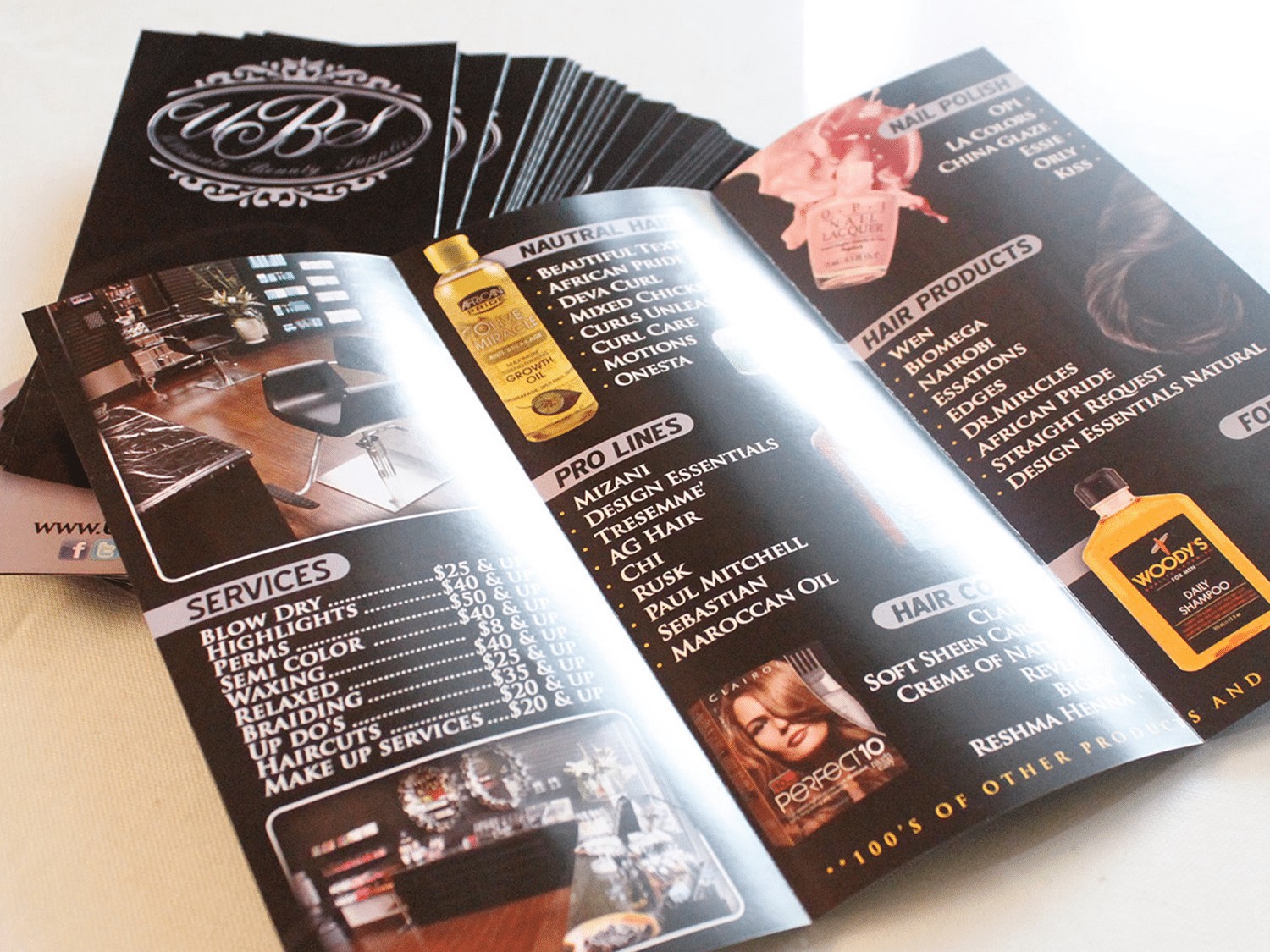
UVCoated High Gloss Paper Brochures & Flyers Print Mor

Office Depot Professional Brochure And Flyer Paper, Glossy

HP Q6612A Laser Glossy TriFold Brochure Paper (Letter, X 11, 150

2020 low MOQ journal flyer brochure with pocket 250g coated glossy
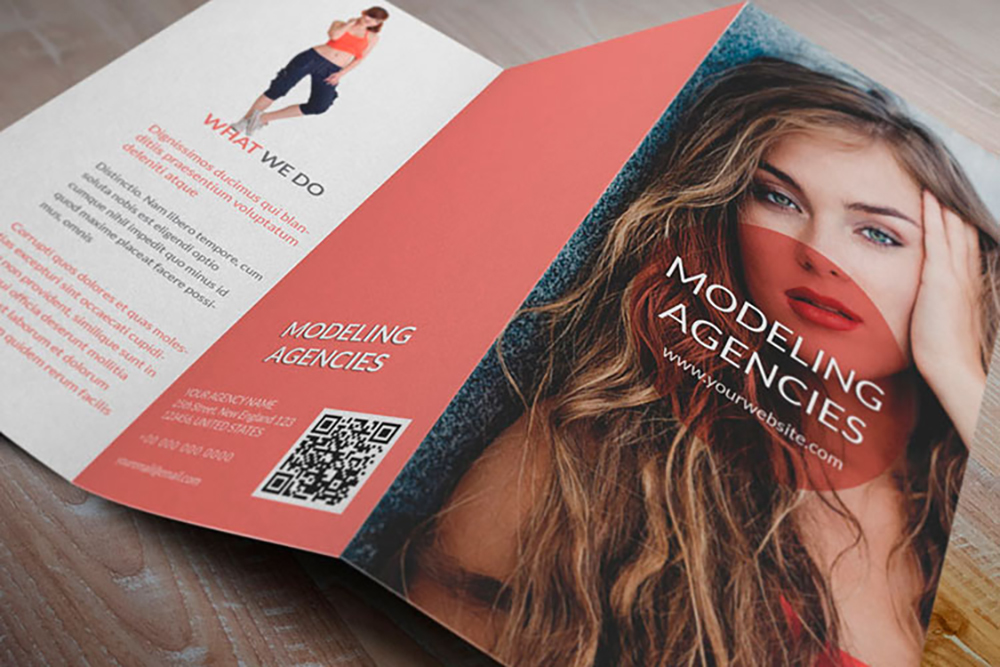
Matte Vs. Glossy Brochure Which is Better for Print

Thin Inkjet Printer Brochure Flyer Paper Glossy 100 Sheets for DIY Chip

Uinkit 100 Sheets Brochure Paper Glossy Double Sided 8.5x11 Inkjet 37lb

HP Laser Glossy Brochure Paper Q6608A B&H Photo Video
Posters And Photographs Can Be Printed On Paper Which Is Only Coated On One Side.
This Type Of Paper Is Excellent For Brochures Template That Feature A Lot Of Images And Bright Colors.
When Choosing The Best Brochure Paper, Several Factors Come Into Play, Including The Desired Finish, Weight, And Design Requirements.
But If You’re Planning To Add Lots Of Text To The Brochure, The Glare Produced By Glossy Paper Might Make It Harder To Read, So It May Not Be The Best Decision.
Related Post: