
Body Systems Brochure Project
Body Systems Brochure Project - Hold a class discussion to answer any questions about vocabulary terms or concepts outlined for each of the systems. This course provides a foundational understanding of human anatomy and physiology, exploring how body structures and systems work together to maintain health. Which body system is the most important to body functions? Below are 12 body systems within the human body: The human body brochure (40 points) essential question: Respiratory system, digestive system, nervous system, excretory system,. Students will be able to identify the human body systems, their functions, the organs and structural parts present in each system (i.e. • describe 2 diseases associated with. This rare diseases & conditions project challenges students to explore some of. You will need at least 2 examples. This course provides a foundational understanding of human anatomy and physiology, exploring how body structures and systems work together to maintain health. Prepare brochure copies of all the body systems as notes for the class. Precautions that tourists might encounter in visiting this system. Your world body tour should include visits to two of the following systems: In this project you will be creating a pair of brochures that. This project has the students thinking creatively to try and turn the human body systems into an amusement park or a vacation destination. Your world body tour should include visits to the following systems: • explain how your body system works with other systems in the body. Use one of the human body systems for this activity or break the class into pairs and work on all the body systems: Respiratory system, digestive system, nervous system, excretory system,. This course provides a foundational understanding of human anatomy and physiology, exploring how body structures and systems work together to maintain health. • describe 2 diseases associated with. Use one of the human body systems for this activity or break the class into pairs and work on all the body systems: Which body system is the most important to body. This fun systems of the body brochure is designed specifically for young learners and allows them to explore and document fascinating information about 9 different human body systems!. All of your body systems have to work together in order to keep you alive and well. Your world body tour should include visits to the following systems: This rare diseases &. Students will be listing the different organs in that system and explain. Your world body tour should include visits to the following systems: This project will not only help you to become an expert about your body, but it will allow you to become Prepare brochure copies of all the body systems as notes for the class. This project has. All of your body systems have to work together in order to keep you alive and well. Give an overall sense of the organization and function. ***the purpose of the 11 organ systems is for the human body to maintain homeostasis. During this project, students will learn about the systems of the human body. • describe 2 diseases associated with. Designed specifically for young learners, this engaging resource allows your students to explore and document fascinating information about 9 different human body systems! Your world body tour should include visits to two of the following systems: This fun systems of the body brochure is designed specifically for young learners. During this project, students will learn about the systems of the. Give an overall sense of the organization and function. Your world body tour should include visits to the following systems: Use one of the human body systems for this activity or break the class into pairs and work on all the body systems: Designed specifically for young learners, this engaging resource allows your students to explore and document fascinating information. Prepare brochure copies of all the body systems as notes for the class. Hold a class discussion to answer any questions about vocabulary terms or concepts outlined for each of the systems. The students will research each human body system and create an informational brochure, including drawings. All of your body systems have to work together in order to keep. This course provides a foundational understanding of human anatomy and physiology, exploring how body structures and systems work together to maintain health. Precautions that tourists might encounter in visiting this system. Below are 12 body systems within the human body: Respiratory system, digestive system, nervous system, excretory system,. This fun systems of the body brochure is designed specifically for young. This course provides a foundational understanding of human anatomy and physiology, exploring how body structures and systems work together to maintain health. • find 5 fun facts about your body system. Give an overall sense of the organization and function. (1) digestive, (2) respiratory and (3) circulatory. Which body system is the most important to body functions? Designed specifically for young learners, this engaging resource allows your students to explore and document fascinating information about 9 different human body systems! Prepare brochure copies of all the body systems as notes for the class. The human body brochure (40 points) essential question: All of your body systems have to work together in order to keep you alive and. This course provides a foundational understanding of human anatomy and physiology, exploring how body structures and systems work together to maintain health. Precautions that tourists might encounter in visiting this system. Designed specifically for young learners, this engaging resource allows your students to explore and document fascinating information about 9 different human body systems! Which body system is the most important to body functions? • describe 2 diseases associated with. Hold a class discussion to answer any questions about vocabulary terms or concepts outlined for each of the systems. Use one of the human body systems for this activity or break the class into pairs and work on all the body systems: Your world body tour should include visits to two of the following systems: In this project you will be creating a pair of brochures that. Respiratory system, digestive system, nervous system, excretory system,. The students will research each human body system and create an informational brochure, including drawings. Students will be listing the different organs in that system and explain. This fun systems of the body brochure is designed specifically for young learners. This project has the students thinking creatively to try and turn the human body systems into an amusement park or a vacation destination. • find 5 fun facts about your body system. (1) digestive, (2) respiratory and (3) circulatory.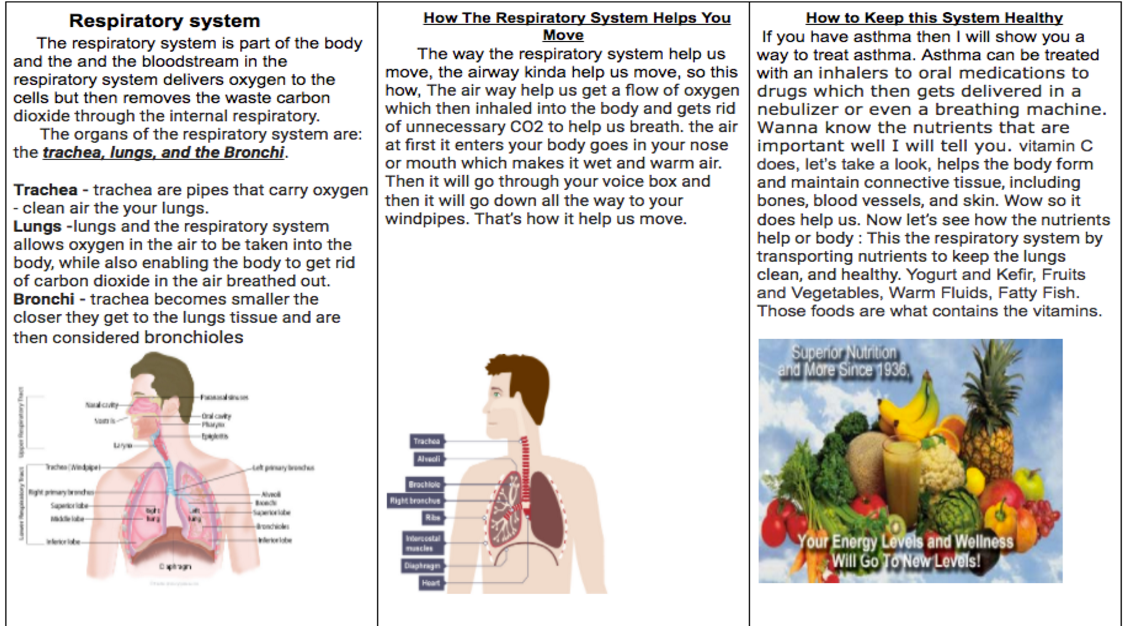
Learning and Sharing about Human Body with Pages & Google Docs in a PT
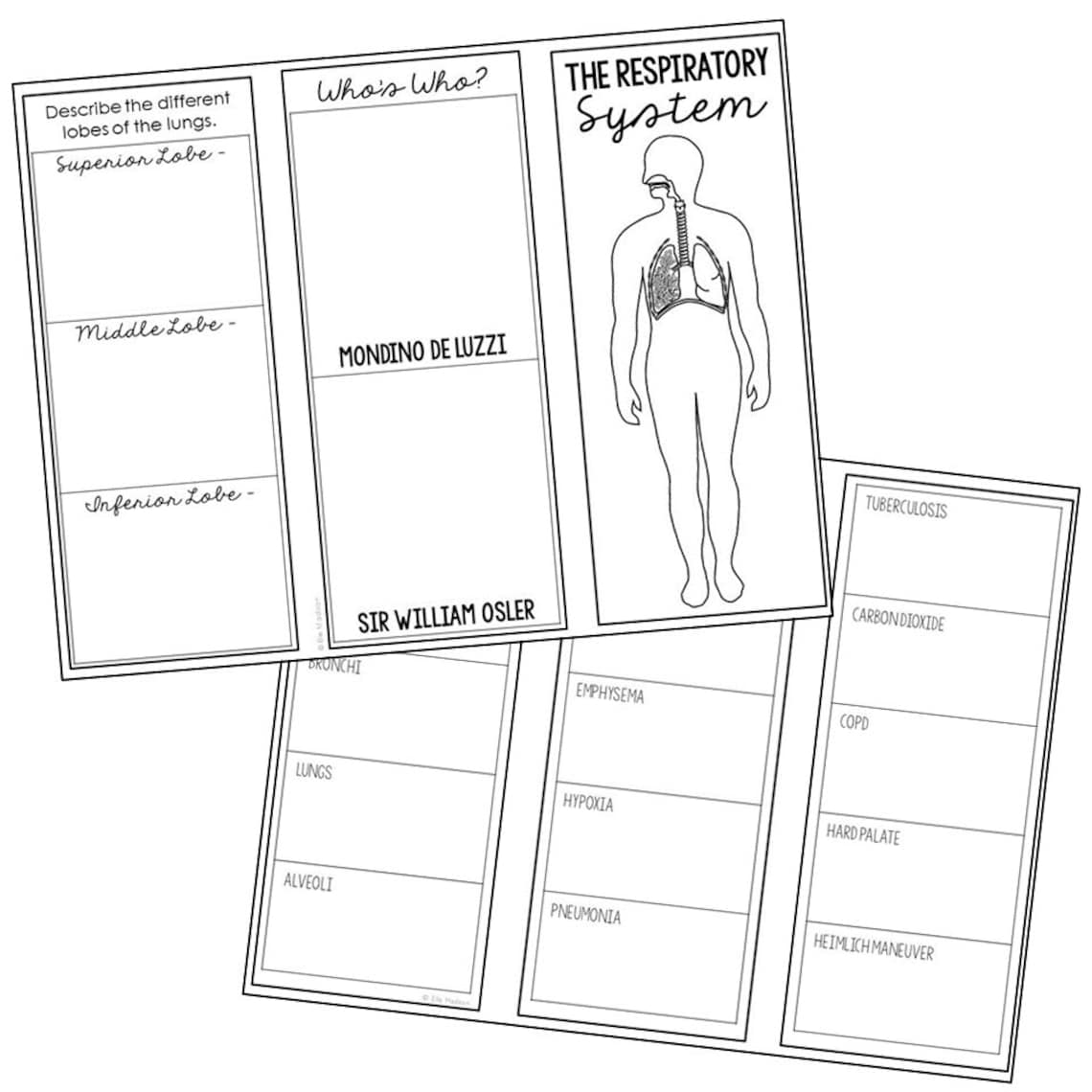
HUMAN BODY SYSTEMS Research Brochure Projects Science Etsy
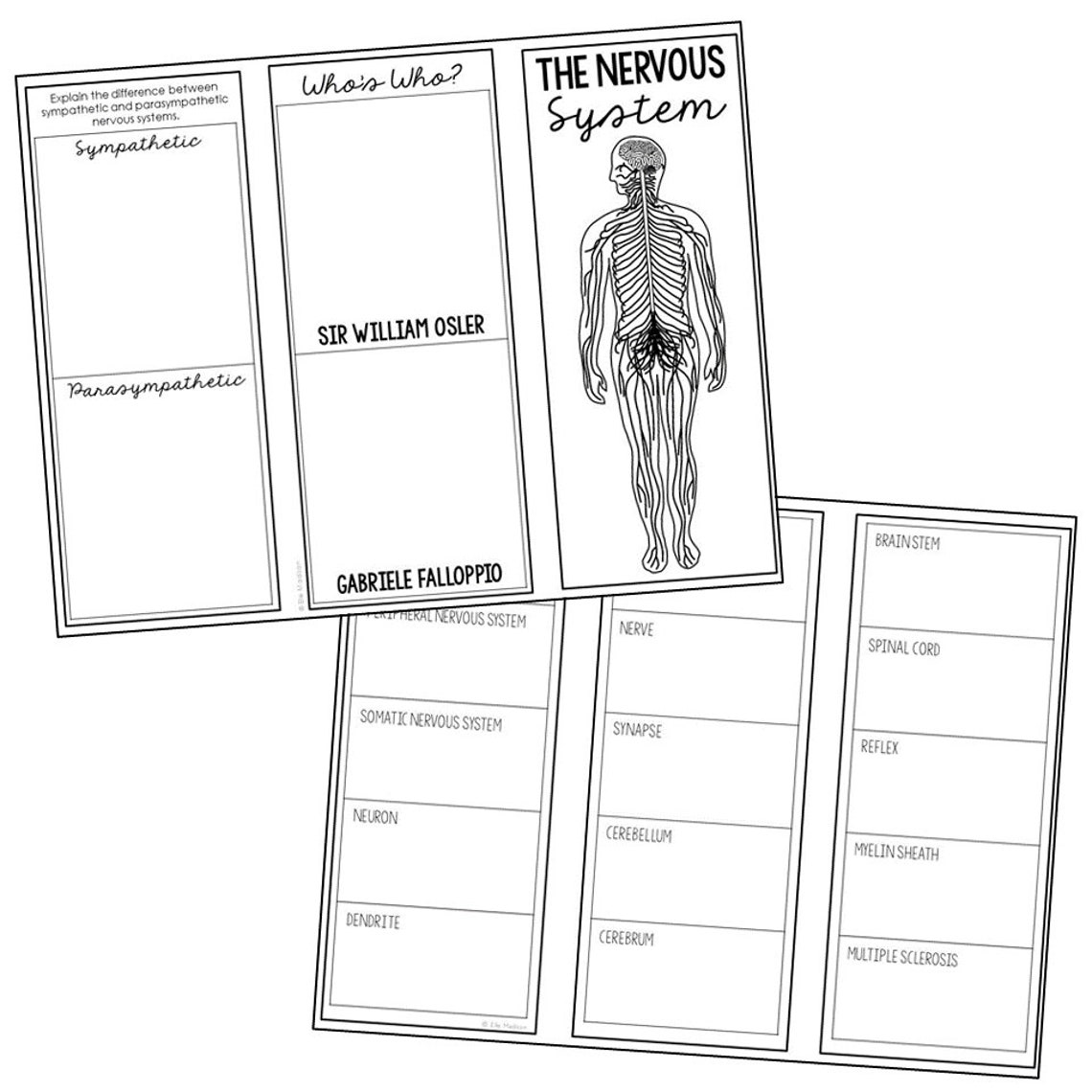
HUMAN BODY SYSTEMS Research Brochure Projects Science Etsy

HUMAN BODY SYSTEMS Research Brochure Projects Science Etsy
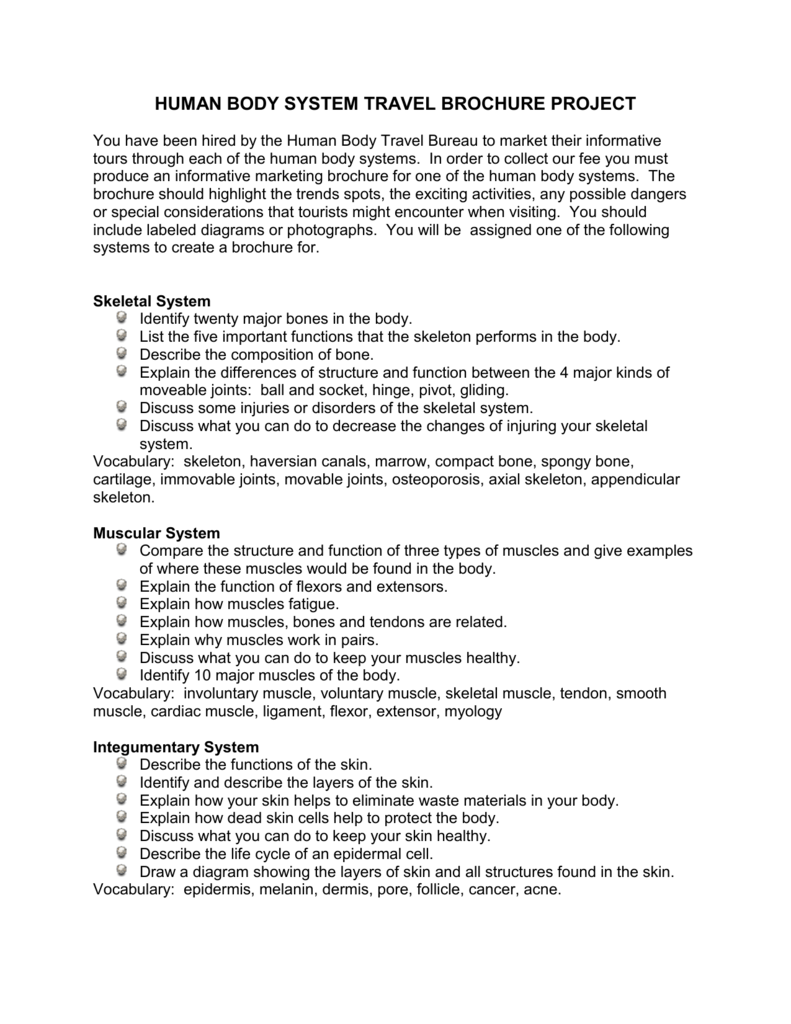
HUMAN BODY SYSTEM TRAVEL BROCHURE PROJECT You have

Human Body Organs and Their Functions Pamphlet Craftivity by Teach Simple
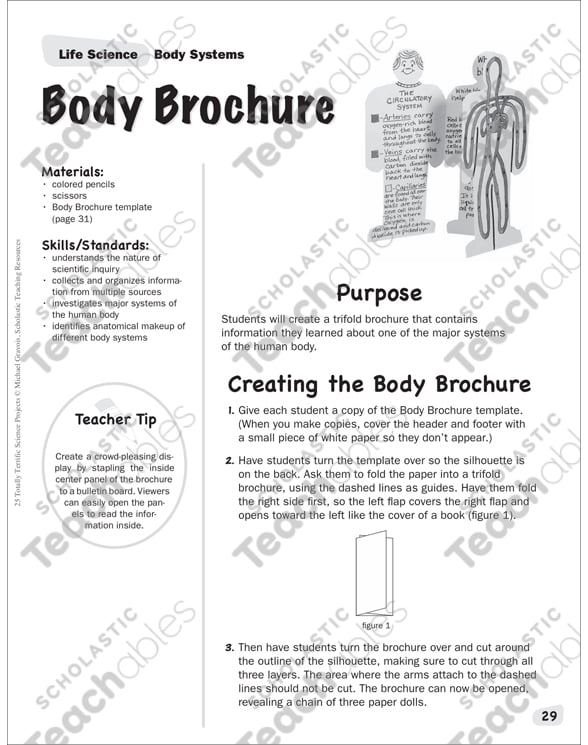
Body Brochure Body Systems Life Science Project by

Body System Project Ideas

Zion's Respiratory System Project Respiratory system projects

HUMAN BODY SYSTEMS Research Brochure Projects Science Etsy
All Of Your Body Systems Have To Work Together In Order To Keep You Alive And Well.
Your World Body Tour Should Include Visits To The Following Systems:
Students Will Be Able To Identify The Human Body Systems, Their Functions, The Organs And Structural Parts Present In Each System (I.e.
Below Are 12 Body Systems Within The Human Body:
Related Post: