
Paper For Brochure
Paper For Brochure - Order a sample copy to assess how the design translates onto paper, ensuring everything aligns perfectly. Generally, paper for brochures should be between 130 and 200 gsm, which is between copier paper and card stock. Discover specialty papers like pearlescent, colored and textured papers and how they might be used for your brochure Check out this article on how to choose the best paper for brochures. When you're creating an online marketing campaign, there's so much you have to consider. Read on to determine what paper, weight, and finish are best for you! Learn which paper weight to choose and whether a gloss, matte or uncoated paper is the best choice for you. Choosing the right paper for your brochure is essential as it directly impacts the quality and effectiveness of your marketing material. Choosing the right paper, from coated and offset to recycled options, enhances the brochure’s appeal and effectiveness. If you’re wondering about the best type of paper for brochures, the easy answer is that most brochures will look and feel good when they’re printed on 100 lb silk text. Generally, paper for brochures should be between 130 and 200 gsm, which is between copier paper and card stock. In this guide, we’ll walk you through everything you need to know about choosing the right brochure paper for your business. Follow this guide to learn the best practices for picking out the best paper for your brochure. It’s measured in grams per square meter (gsm). Read on to determine what paper, weight, and finish are best for you! When selecting a brochure size, think about how much information you want to fit, what kind of impact you want to have, and how large your budget is. Stick to a color scheme that aligns with your brand or message. You have to think about your target market, your image, your keywords, and a whole host of other things. Select a layout based on your content and audience. Designing your brochure choosing a layout. Before selecting a paper type, consider the purpose of your print. Everything you need to know to choose paper for your printed brochure. Designing your brochure choosing a layout. In this guide, we’ll walk you through everything you need to know about choosing the right brochure paper for your business. Review our complete guide and feel confident in your paper. Stick to a color scheme that aligns with your brand or message. Learn how to choose the perfect paper for your brochure and make a lasting impression with your marketing materials. By following this process, you can develop a brochure that’s polished and ready to impress. The best type of paper for brochures is typically 100 lb silk text, as. Add a password to safeguard your brochure when sharing it with stakeholders or clients. Read on to determine what paper, weight, and finish are best for you! Most brochures are excellent informational and marketing tools, but only when the finished product is made correctly with prospective clients in mind. Brochure design is the art of creating printed or digital pamphlets. Everything you need to know to choose paper for your printed brochure. When selecting a brochure size, think about how much information you want to fit, what kind of impact you want to have, and how large your budget is. Read on to determine what paper, weight, and finish are best for you! Use uncoated paper so it’s easy to. According to our 30 years and counting of professional experience in the offset printing industry, we know that most brochures work best when printed on paper no lighter than 70 lb (105 gsm) and no heavier than 100 lb (150 gsm). Before selecting a paper type, consider the purpose of your print. The types of paper for printing your brochure. Most brochures are excellent informational and marketing tools, but only when the finished product is made correctly with prospective clients in mind. By considering factors like weight, finish, and sustainability, you can craft brochures that not only look great but also reflect your brand’s values. Learn how to choose the perfect paper for your brochure and make a lasting impression. Review our complete guide and feel confident in your paper type decision. The weight of the paper is typically determined by the total weight of nearly 500 sheets of any paper size in its uncut form. Check out this article on how to choose the best paper for brochures. According to our 30 years and counting of professional experience in. In this post, we’ll dive into the various types of paper for printing and discuss what to use for flyers, brochures, and more, ensuring your printed materials leave a lasting impression. Select a layout based on your content and audience. Discover the art of choosing the perfect paper for brochure printing! Everything you need to know to choose paper for. Order a sample copy to assess how the design translates onto paper, ensuring everything aligns perfectly. Choosing the right paper is essential to create brochures that leave a lasting impact. According to our 30 years and counting of professional experience in the offset printing industry, we know that most brochures work best when printed on paper no lighter than 70. Designing your brochure choosing a layout. Learn how to choose the perfect paper for your brochure and make a lasting impression with your marketing materials. Choosing the right paper for your brochure is essential as it directly impacts the quality and effectiveness of your marketing material. Select a layout based on your content and audience. Generally, paper for brochures should. Read on to determine what paper, weight, and finish are best for you! Learn which paper weight to choose and whether a gloss, matte or uncoated paper is the best choice for you. Designing your brochure choosing a layout. It’s measured in grams per square meter (gsm). In this post, we’ll dive into the various types of paper for printing and discuss what to use for flyers, brochures, and more, ensuring your printed materials leave a lasting impression. Check out this article on how to choose the best paper for brochures. Select a layout based on your content and audience. The weight of the paper is typically determined by the total weight of nearly 500 sheets of any paper size in its uncut form. Use uncoated paper so it’s easy to write on. Benefits of designing a brochure In this guide, we’ll walk you through everything you need to know about choosing the right brochure paper for your business. Generally, paper for brochures should be between 130 and 200 gsm, which is between copier paper and card stock. Order a sample copy to assess how the design translates onto paper, ensuring everything aligns perfectly. The types of paper for printing your brochure are also determined by the artwork you will use. Generally, 100 lb silk text works well with most brochures. We’ll help you sort through the options available.
Matte Coated Paper Brochure at Renee Henson blog

Office Depot Professional Brochure And Flyer Paper, Glossy
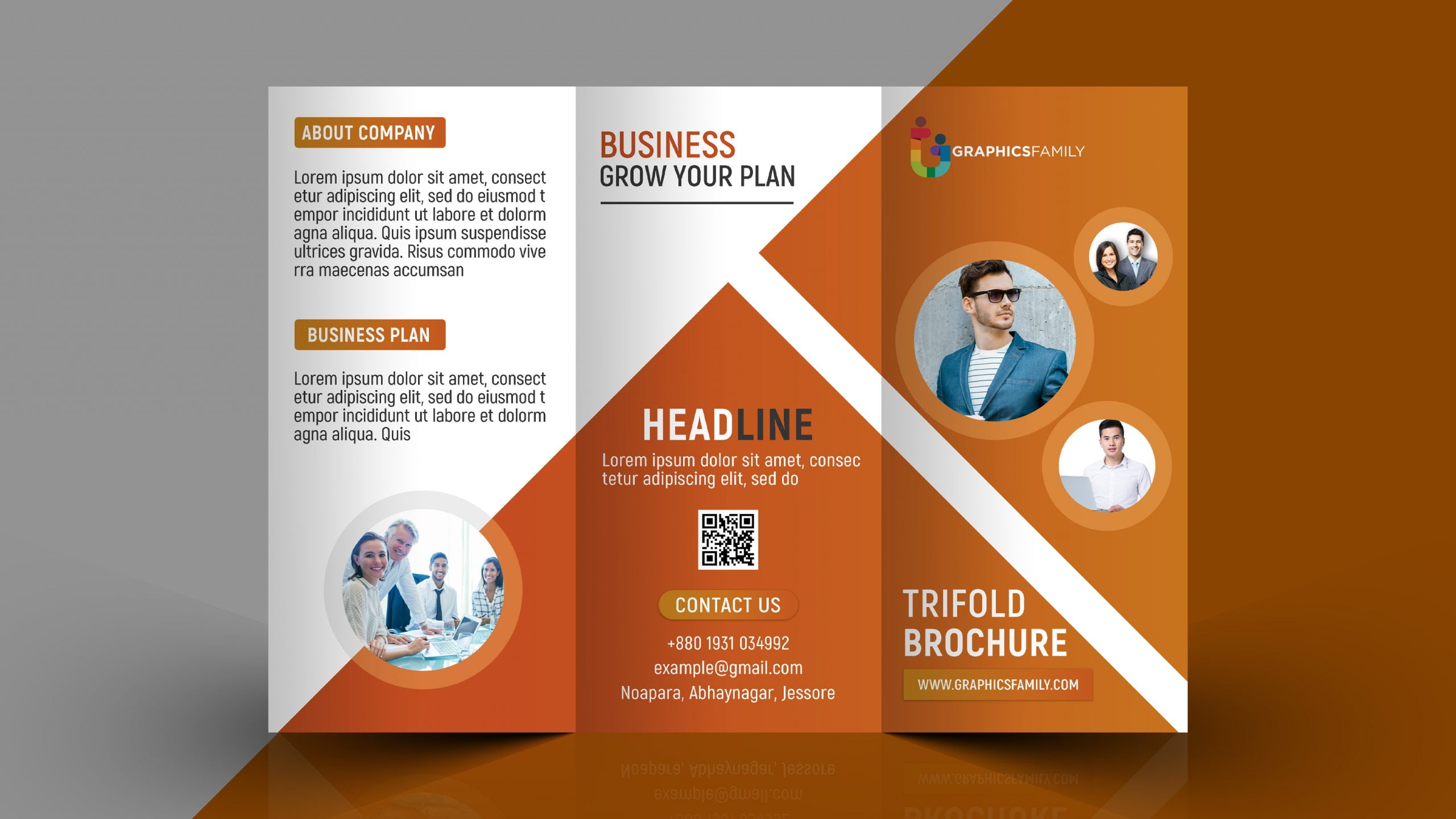
Professional Tri Fold Brochure Template GraphicsFamily
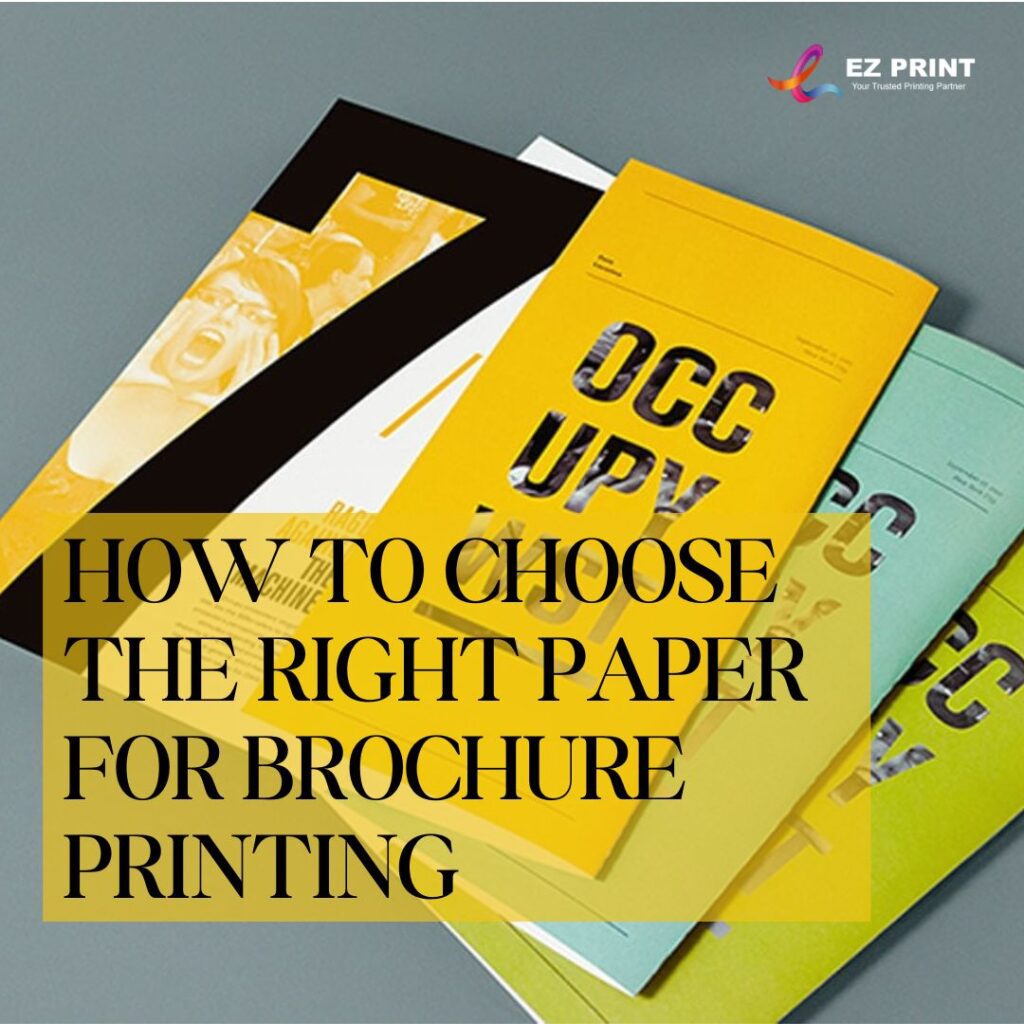
How to Choose the Right Paper for Brochure Printing EZ Print

What Is The Best Type Of Paper For Brochure Printing

A3 BiFold or TriFold Brochure Printing VJ Graphic Arts, Inc.
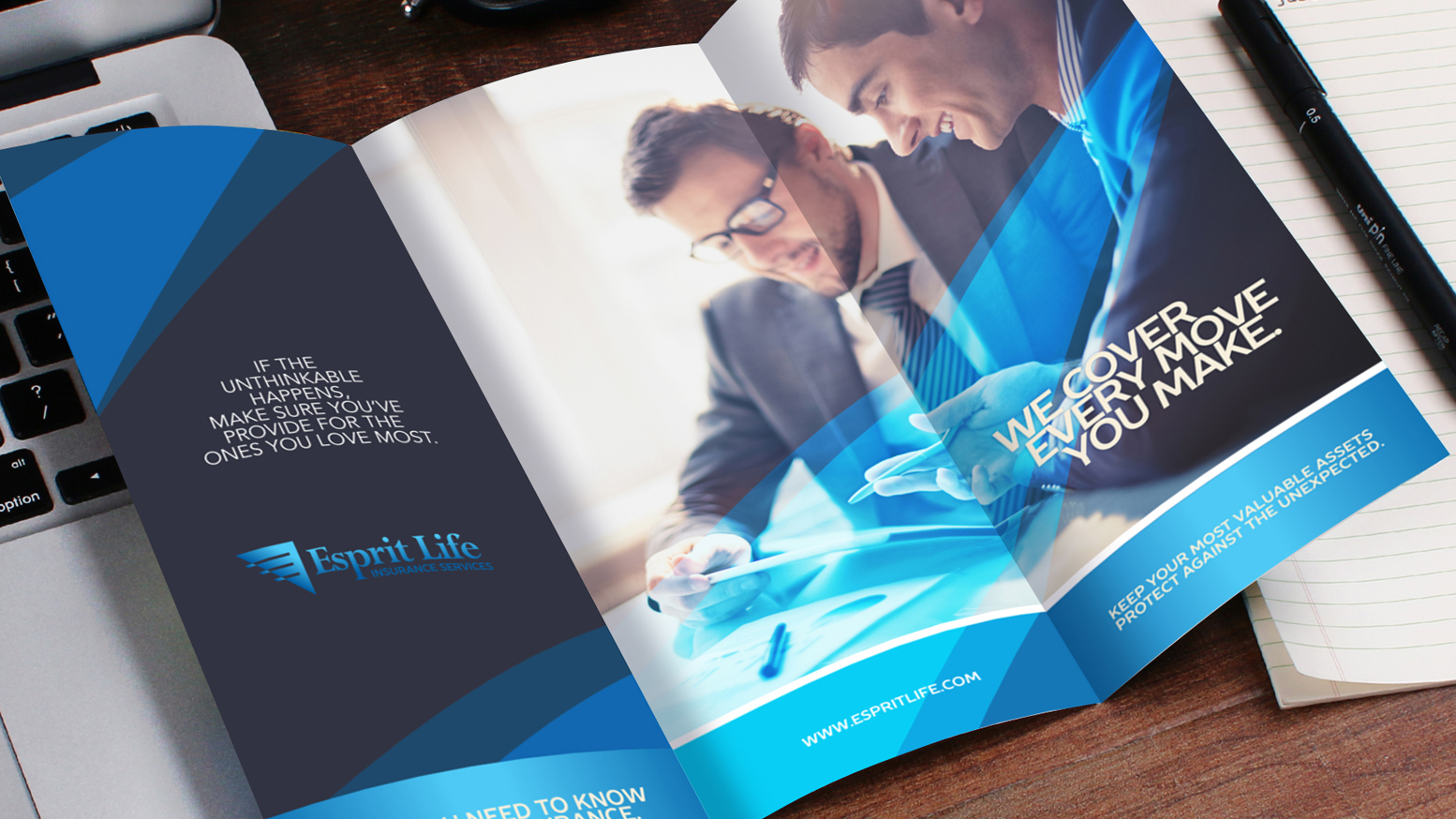
The Ultimate Brochure Paper Guide Confusing Terms Explained
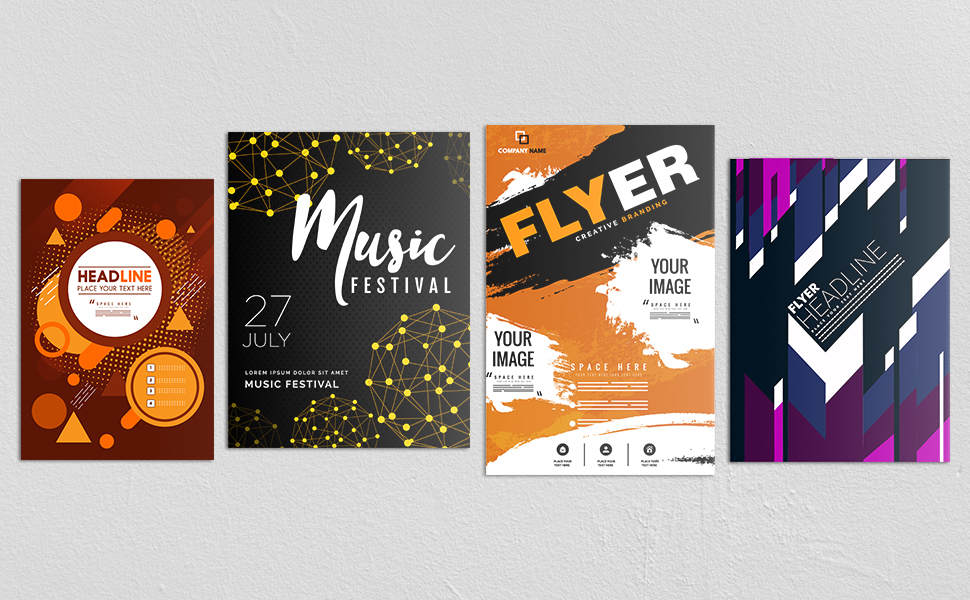
Best Paper For Flyers and Brochures Fine Cardstock
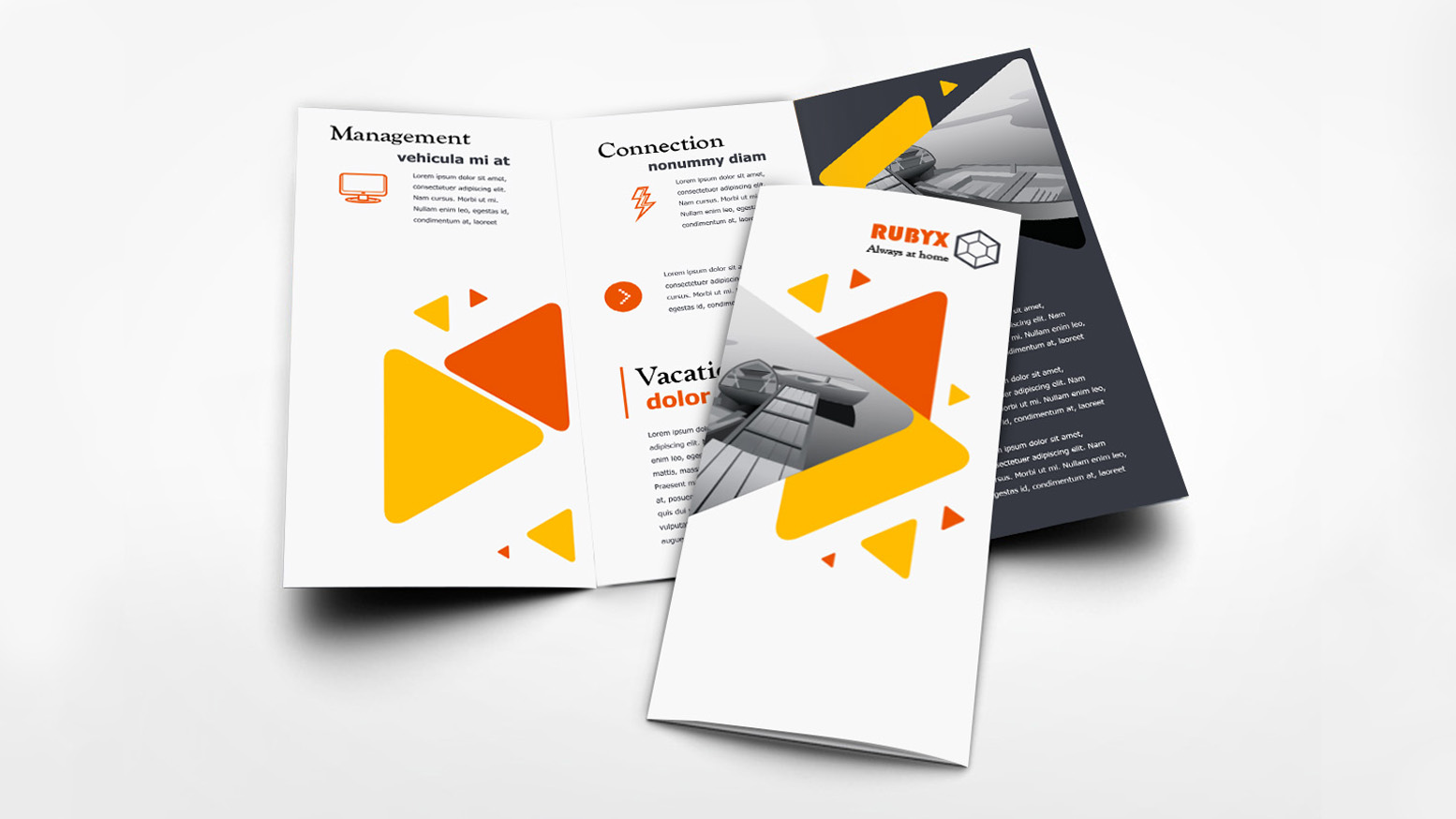
The Ultimate Brochure Paper Guide Confusing Terms Explained
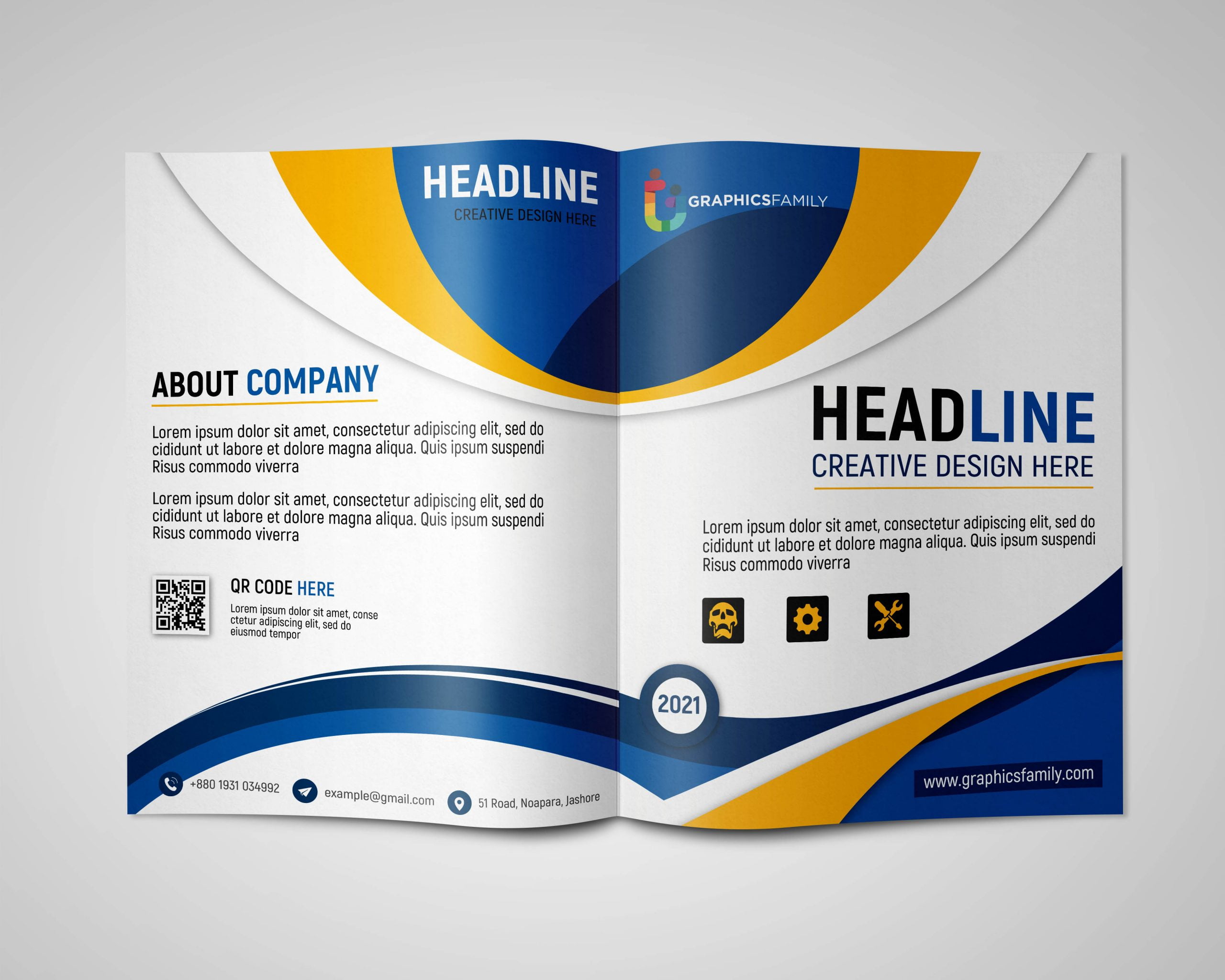
Professional Bifold Brochure Design Template GraphicsFamily
Before Selecting A Paper Type, Consider The Purpose Of Your Print.
The Best Type Of Paper For Brochures Is Typically 100 Lb Silk Text, As It Offers A Light Feel, Proper Readability, And Optimal Picture Quality.
Choosing The Right Paper Is Essential To Create Brochures That Leave A Lasting Impact.
According To Our 30 Years And Counting Of Professional Experience In The Offset Printing Industry, We Know That Most Brochures Work Best When Printed On Paper No Lighter Than 70 Lb (105 Gsm) And No Heavier Than 100 Lb (150 Gsm).
Related Post: