
Paper Used For Brochures
Paper Used For Brochures - It comes in 150 sheets per pack and is available in various colors and finishes, allowing users to. In this guide, we’ll walk you through everything you need to know about choosing the right brochure paper for your business. At jam paper, three popular paper sizes are perfect for brochure creation: Brochure materials are essential for effective marketing strategies. What kind of paper to use for brochures? Each of these sizes offers different benefits and constraints, making it essential to choose the one that best aligns with the purpose and content of your brochure. You will want something durable and premium. By considering factors like weight, finish, and sustainability, you can craft brochures that not only look great but also reflect your brand’s values. Effective brochure design aligns with branding and guides the reader through content in a visually appealing way. Paper stock is thinner than card stocks and uses pound (lb. The paper you select will affect how your brochure looks, feels, and even how it holds up over time. Before selecting a paper type, consider the purpose of your print. Choosing the right paper, from coated and offset to recycled options, enhances the brochure’s appeal and effectiveness. In this guide, we’ll walk you through everything you need to know about choosing the right brochure paper for your business. Discover specialty papers like pearlescent, colored and textured papers and how they might be used for your brochure Most brochures are excellent informational and marketing tools, but only when the finished product is made correctly with prospective clients in mind. From understanding different paper types to considering finishes and weights, we’ve got you covered. Use uncoated paper so it’s easy to write on. There are two main types of paper weight for brochures: Brochures are typically printed on 8.5″ x 11″ paper, which is about the size of a standard letter and fits snugly into brochure racks and display stands. Brochure materials are essential for effective marketing strategies. There are two main types of paper weight for brochures: Whether you opt for glossy, matte, or uncoated paper, ensure it aligns with your. Choosing the right paper for your brochure is essential as it directly impacts the quality and effectiveness of your marketing material. Overall, if the brochure is meant for. Overall, if the brochure is meant for personal use, you should probably stick with paper stock. If you’re making brochures for your business and want customers to keep them around for a long time, use cardstock. What kind of paper to use for homemade brochures? Most brochures are excellent informational and marketing tools, but only when the finished product is. Review our complete guide and feel confident in your paper type decision. Learn which paper weight to choose and whether a gloss, matte or uncoated paper is the best choice for you. Discover the art of choosing the perfect paper for brochure printing! A brochure is an informative paper document about a business or organization that can be folded into. Discover specialty papers like pearlescent, colored and textured papers and how they might be used for your brochure It combines layout, imagery, and typography to engage readers and convey messages clearly. There are two main types of paper weight for brochures: Read on to determine what paper, weight, and finish are best for you! Before selecting a paper type, consider. Use uncoated paper so it’s easy to write on. Paper stock and card stock. Before deciding on the perfect paper for your brochure, it’s essential to understand the different types of paper available. Which brochure paper option should you choose? At jam paper, three popular paper sizes are perfect for brochure creation: Dive into our comprehensive guide, exploring paper types, finishes, and weights. Learn how to choose the perfect paper for your brochure and make a lasting impression with your marketing materials. Whether you opt for glossy, matte, or uncoated paper, ensure it aligns with your. Join us as we delve into the features of the best brochure paper and discover how. Which paper you use for your brochures has an impact on design, weight, the overall quality of the finished product and the most significant aspect: There are two main types of paper weight for brochures: The customer's experience and response to your campaign. Learn how to choose the perfect paper for your brochure and make a lasting impression with your. Paper stock and card stock. Discover the art of choosing the perfect paper for brochure printing! Paper stock is thinner than card stocks and uses pound (lb. What kind of paper to use for brochures? Overall, if the brochure is meant for personal use, you should probably stick with paper stock. Overall, if the brochure is meant for personal use, you should probably stick with paper stock. Choosing the right paper for your brochure is essential as it directly impacts the quality and effectiveness of your marketing material. If you’re making brochures for your business and want customers to keep them around for a long time, use cardstock. Everything you need. Brochure materials are essential for effective marketing strategies. Read on to determine what paper, weight, and finish are best for you! Which brochure paper option should you choose? If you’re making brochures for your business and want customers to keep them around for a long time, use cardstock. It comes in 150 sheets per pack and is available in various. What paper is best to print brochures on? Read on to determine what paper, weight, and finish are best for you! Use uncoated paper so it’s easy to write on. It combines layout, imagery, and typography to engage readers and convey messages clearly. Learn which paper weight to choose and whether a gloss, matte or uncoated paper is the best choice for you. Effective brochure design aligns with branding and guides the reader through content in a visually appealing way. Most people prefer to use text paper as their paper of choice for brochures and flyers, as text paper is a thicker, sturdier form of cardstock. In this guide, we’ll walk you through everything you need to know about choosing the right brochure paper for your business. Everything you need to know to choose paper for your printed brochure. Brochures are typically printed on 8.5″ x 11″ paper, which is about the size of a standard letter and fits snugly into brochure racks and display stands. Brochure materials are essential for effective marketing strategies. The customer's experience and response to your campaign. Choosing the right paper, from coated and offset to recycled options, enhances the brochure’s appeal and effectiveness. Before deciding on the perfect paper for your brochure, it’s essential to understand the different types of paper available. Discover specialty papers like pearlescent, colored and textured papers and how they might be used for your brochure Most brochures are excellent informational and marketing tools, but only when the finished product is made correctly with prospective clients in mind.
The complete guide to brochure and flyer sizes 99designs
How to Choose the Right Paper for Brochure Printing EZ Print

PPD Inkjet Satin Double Sided Brochure Paper A4 120gsm x 100 Sheets PPD
What Type of Brochure Paper Should I Use? CMYK PH
Designing a Brochure that Sells A StepByStep Guide Simplified

35+ Marketing Brochure Examples, Tips and Templates Venngage
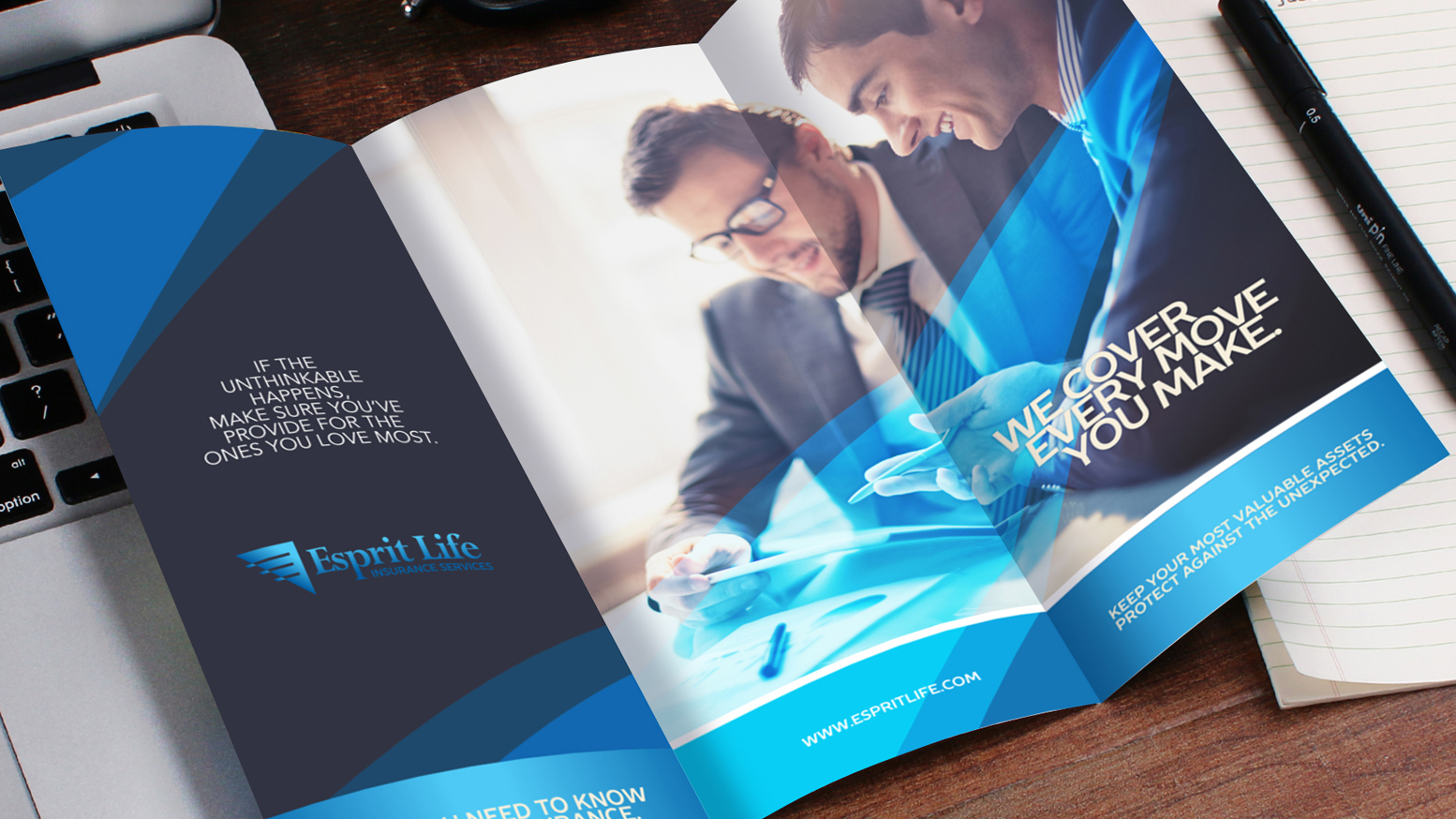
The Ultimate Brochure Paper Guide Confusing Terms Explained
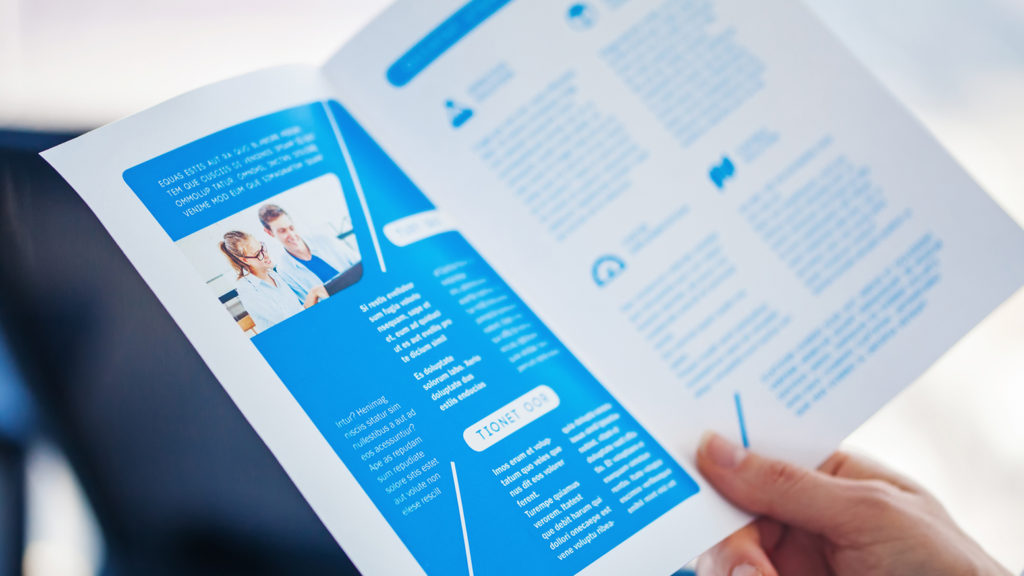
The Ultimate Brochure Paper Guide Confusing Terms Explained
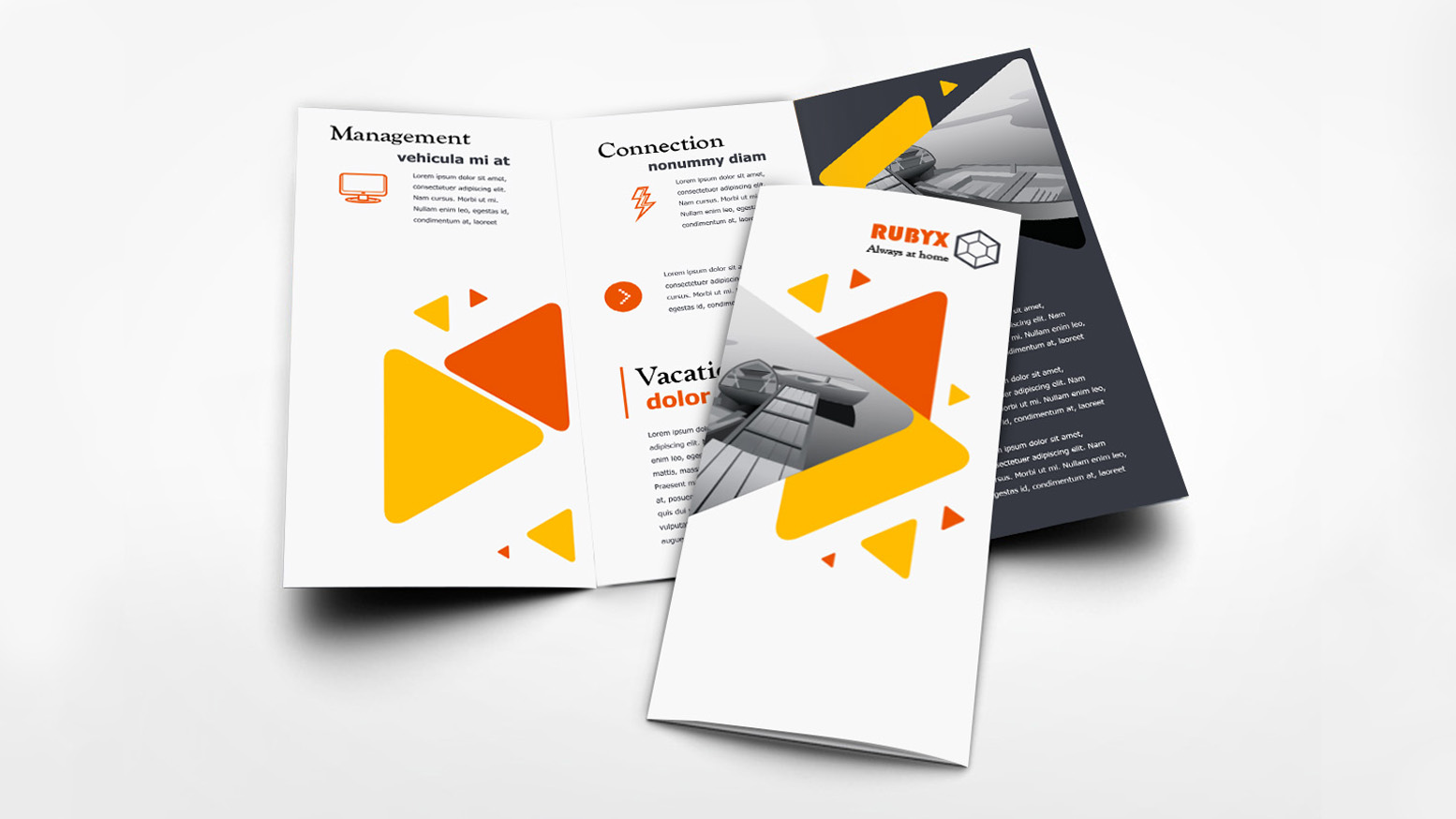
The Ultimate Brochure Paper Guide Confusing Terms Explained

What Is The Best Type Of Paper For Brochure Printing
Or ) As A Way Of Identifying Paper Thickness.
Discover The Art Of Choosing The Perfect Paper For Brochure Printing!
If You’re Wondering About The Best Type Of Paper For Brochures, The Easy Answer Is That Most Brochures Will Look And Feel Good When They’re Printed On 100 Lb Silk Text.
There Are Two Main Types Of Paper Weight For Brochures:
Related Post: